
Growth stories are often told as a straight line. In reality, they’re anything but.
They’re built on timing, relationships, and moments where experience meets opportunity. That’s exactly what drew me to join PINCH as Chairman at this stage of its journey.
PINCH is not a typical catering business. From the outset, it has focused on something many operators talk about but few truly deliver: experience. Not just food on a plate, but how people feel in a space. That distinction matters more now than ever.
Why PINCH, Why Now
The workplace foodservice sector is changing quickly.
Clients no longer want functional. They want environments that bring people together. Spaces that justify time in the office. Hospitality that feels considered, not transactional.
PINCH has built its model around this shift. Strong food. Strong culture. Strong client relationships. And importantly, the agility to adapt as expectations evolve.
With a solid pipeline and increasing demand, the business is moving from early traction into scaled growth. That transition is where many companies struggle. It’s also where the right leadership structure makes a difference.
The Importance of Relationships
One of the more personal aspects of this move is reconnecting with Nathan Jones.
I first worked with Nathan early in his career. Seeing him now leading PINCH as Chief Executive is a reminder that this industry is built on long-term relationships, not short-term wins.
There’s a level of trust and shared understanding that comes with that history. It removes friction and allows focus on what matters: building the business properly.
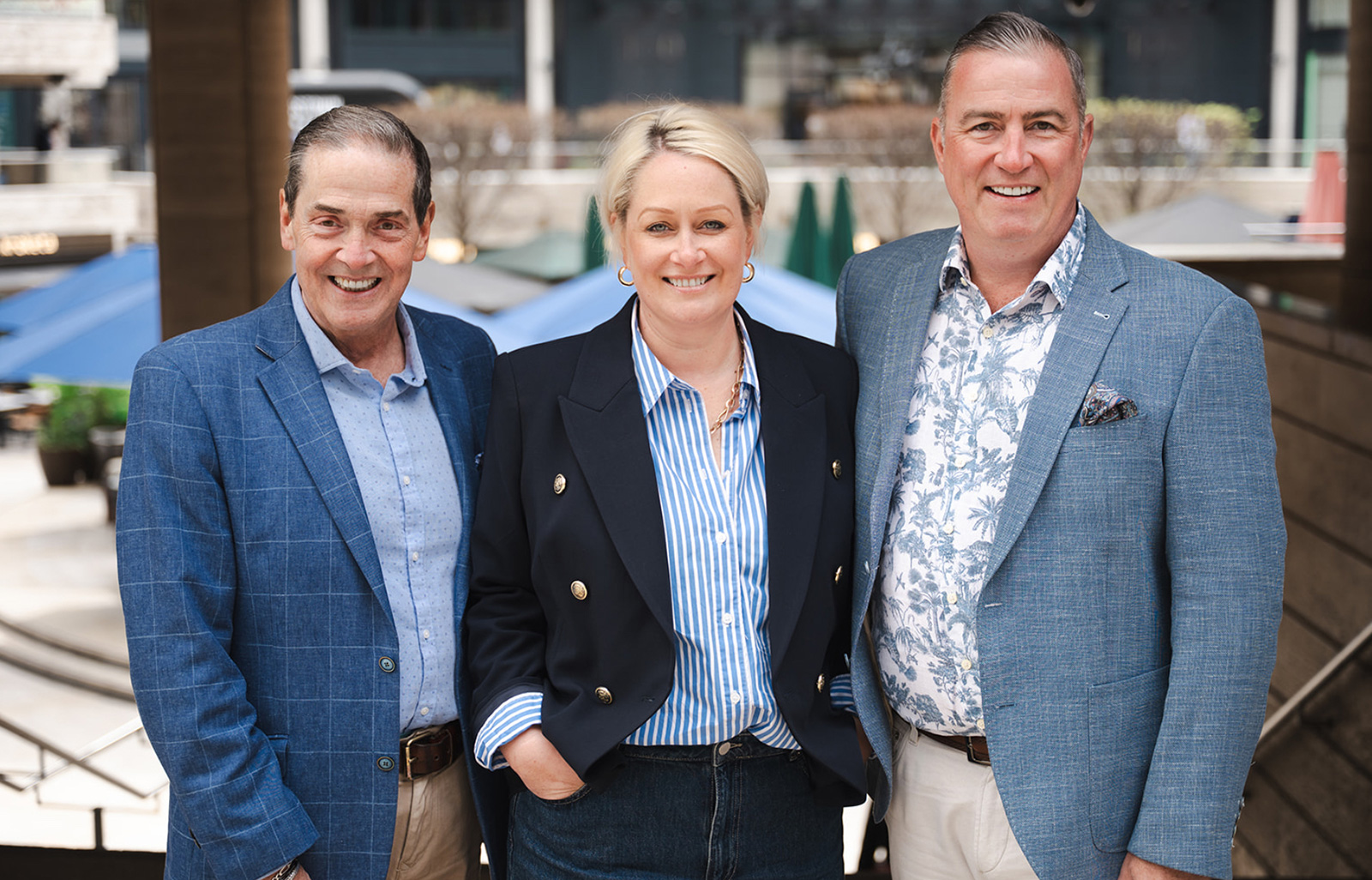
Alongside Nathan, founder Katy Thompson has created something with real clarity of purpose. That combination—founder vision and operational leadership—gives PINCH a strong foundation for its next phase.
What Comes Next
The opportunity now is straightforward, but not easy:
- Scale without losing identity
- Grow without diluting quality
- Expand while keeping the culture intact
PINCH is already operating across London, the Northeast, and Cambridge, with ambitions to move beyond £3m turnover by 2026.
The question isn’t whether growth will happen. It’s how well it’s managed.
From my perspective, the focus is on three areas:
1. Clarity of offer
Stay disciplined about what PINCH does well. Not every opportunity is the right one.
2. Operational strength
Creative ideas only work if they’re delivered consistently. Systems and people matter.
3. Market positioning
Workplace hospitality is evolving. PINCH has the chance to lead, not follow.
A Broader View
This move also reflects a wider trend.
Foodservice is no longer just about feeding people. It sits at the centre of workplace experience, culture, and retention. Businesses that understand this are investing accordingly.
Those that don’t will fall behind.
PINCH is positioned on the right side of that shift.
Final Thought
Joining at this stage isn’t about changing direction. It’s about supporting momentum and helping the business scale with intent.
The fundamentals are already in place.
Now it’s about execution.
Simon Esner
Founder, Uncommon Sense Ltd
